
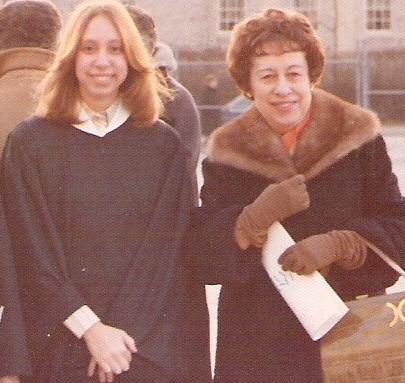
You’ll probably mention it if you’ve ever been or had a mom.
Writing this on Mother’s Day (although posting the day after), I’m thinking of moms and motherhood and of course I’m always thinking about memoir. There’s a pretty significant intersection of these topics.
If you’re writing a memoir, your mother will make an appearance—a cameo at the very least. Even if your theme has nothing to do with your mom, if you’re marketing your book as a memoir you pretty much owe the reader some information on your background.
However, if your mother is truly a minor player in your life or not associated with your memoir theme, you can introduce her to readers in a chapter about your childhood and be done with it. You don’t have to devote multiple chapters to your early life or even mention when your parents died if it doesn’t really fit into your narrative. If you never knew your mother, be transparent about how that happened.
Starring Your Mom
But what if you want to focus on the mother-child relationship? That is a valid memoir theme. Sally Field’s memoir In Pieces tells a lot about Field’s own life but always comes back around to her role as daughter and the impact of her mom’s strengths and weaknesses. And, of course, the title of the bestseller I’m Glad My Mom Died indicates Jennette McCurdy’s complicated relationship with her mother.
Cher is another celebrity whose memoir supplies a lot of her perspective of her mother. It serves to demonstrate why second-generation talent has a better shot at success/stardom. Sometimes the most talented person in the family is the parent, but that parent has to focus on paying the bills. You often hear comedians say that their father was the funny one in their family. Never having had the support from their own parents, these parents of celebrities pour themselves into the promise of their children’s future.
So if you want to write a book as a tribute to your mom, go ahead. Still, write it as a memoir. Don’t write a biography of your unknown mother. Write it as your memories and reactions surrounding your relationship with her.
Many people use their memoir as a statement of their own truth about their upbringing, and sometimes that truth comes across harshly in recalling parents. Maybe you’re still in therapy decades after leaving home because of the harm your mother did to you. Is it okay to write about all of that? Yes. But if you’re aiming for a broad readership, your story will have to involve more than a long list of complaints.
When You’re the Mother
The other side of a motherhood memoir is written by the mother, not the child. Some people write memoirs to document their children’s illnesses or learning difficulties. That’s fine but, again, write it as a memoir, not as a biography of your child.
Now back to a twist on the original question—what if your memoir theme has nothing to do with your role as a mother? Should you still include the topic of motherhood? Whereas your childhood and the parenting you received shaped you as a person, that’s not true of the way you parent. So I would say this aspect of your life is not essential when the theme doesn’t touch on it, especially if your memoir largely takes place before you had children.
There’s a big “but” here, and that’s because you probably were emotionally affected by becoming a parent. When chronologically in your story you get to the year of having a child, I think it would be awkward not to mention it. Or at some point, refer to the family you raised. It’s nice to answer readers’ obvious questions and not leave them hanging.
These thoughts come around on Mother’s Day. And if you’ve lost a mom, as I long ago lost my mom pictured above with me, I hope you have good times to remember—and write about.