Dolly’s Masterclass in Coy Memoir
Who isn’t sad that Dolly Parton has died? Apart from the music, movies, interviews and philanthropy, Dolly Parton also left a memoir collection. But even with four books about her life, she still managed to avoid revealing everything. In fact, “coy” is a word some observers use about Dolly’s manner of answering questions without telling you what she doesn’t want you to know. She told one interviewer that her mother advised her to always keep a piece just for herself.
Dolly was inclusive and a vocal supporter of LGBTQ, but conservatives still loved her. Women related to her despite that, between implants and subsequent reductions, by her own tally she’d spent more than $1 million on her breasts. Neither group seemed to mind that she carried on flirtations and more all the while with a loyal husband at home.
Thanks to personal songs like “Jolene,” “9 to 5” and “I Will Always Love You,” movies like “Steel Magnolias,” and TV appearances, we felt we knew Dolly. We liked her self-deprecating style mixed with blonde-girl bravado, her hillbilly accent alongside enormous wealth, her extreme generosity coming out of a budget that included line items for wigs, plastic surgery, shoes and outfits that none of us could begin to afford.
But did we know her? She never endorsed candidates or talked about political parties, we never heard names of men attached to her, and at the end we didn’t know she had cancer. Earlier this month, Dolly released a video telling her fans that she was attending to her improving health but couldn’t tour or travel yet. I saw that video a week or so before her death, and I fully believed she was getting better.
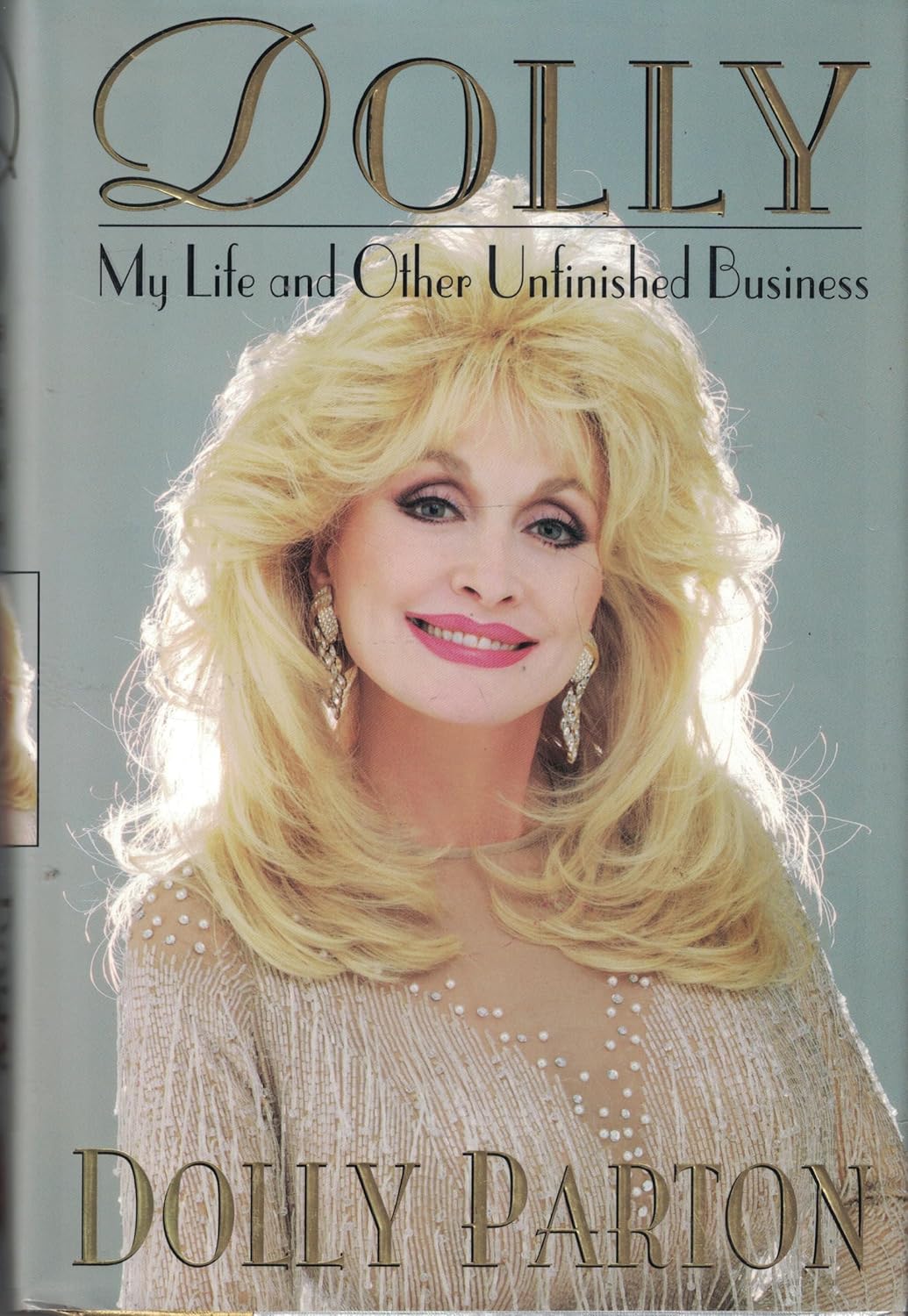
Yet she wrote four books in the memoir space! In 1994 at age 48, Dolly Parton authored her full autobiography, Dolly: My Life and Other Unfinished Business, tracing her early lean years growing up in Tennessee’s Great Smoky Mountains through the dawn and progression of her career, her marriage, and her general thoughts on life. Getting creative with the memoir genre, she next released Songteller: My Life in Lyrics, a 2020 effort to explain her life in the context of 175 of her songs, including background for some of the storylines. She tackled her distinctive image and signature fashion style with her 2023 book, Behind the Seams: My Life in Rhinestones. Then just last year, My Life on Stage was Dolly’s photo and text account of touring and performing.
The Dolly Dodge
If you want to write a memoir without revealing all of your secrets, you can study Dolly’s methods for keeping details close to the vest. One trick is to stay away from timelines and structure your memoir as a series of undated and largely independent stories from your life. Use humor to deflect. Tighten the writing and make your book a page-turner so people don’t notice what you’re not including.
Will that work? Probably not. If you’re not a celebrity, people aren’t waiting on the edge of their seat to read your memoir. The secrets, the hushed whispers throughout your life, are your best bet for getting your memoir published. Omitting them will keep you at arm’s length from the very readers you want to attract.
Still, a lot of memoir authors want to avoid libeling or hurting people. If that is your goal, I suggest you do take a look at Dolly Parton’s record of talking and writing about herself. In her world of music and acting and being a great person everyone loved, Dolly had a knack for staying private in some ways. The work she leaves becomes a masterclass you might want to check out.
To end this, I’ll join everyone else who’s been writing about Dolly: I will always love you, Dolly. Thanks for everything you gave us.