We are experiencing issues with our Contact form.
Please Email Us Directly at: Su*****@************rs.com.

Every ordinary life story is extraordinary!

PLEASE NOTE:

oUR CONTACT US Form HAD A MALFUNCTION.
IF YOU HAVEN’T RECEIVED A REPLY, PLEASE FILL IT OUT AGAIN OR WRITE US DIRECTLY.

Every ordinary life story is extraordinary!

A Welcome 2026 Toast to You, Memoir Writers

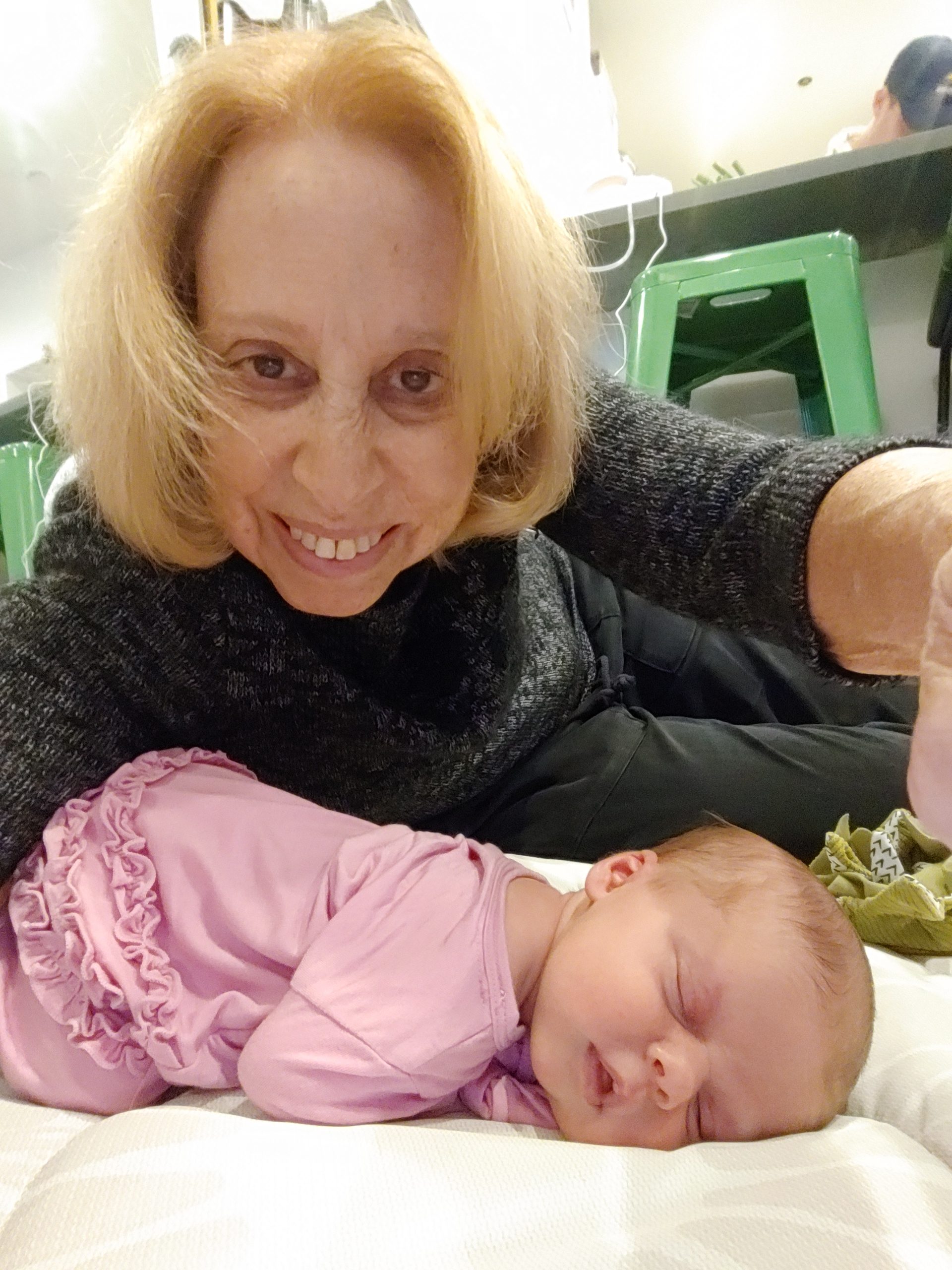
Rosanne and new grandchild

Here’s to You and Your Unique Story

I had a whole obligatory New Year’s resolutions piece to post, but I’ll save it for January. Today I’m feeling you. I’m thinking about you non-celebrity memoir writers. I’m feeling your pain of living and your catharsis from writing about your life. I’m feeling your triumphs and your regrets, your hardships and your blessings. So here’s a welcome 2026 toast to you, memoir writers, hoping for a new year that delivers everything you want in life and all the benefits you’re seeking through sharing your memories and your unique story. There is no other you.

Above, there I am with the best thing for me about 2025: the birth of a grandchild. So here’s also to new babies and the lives that they’re just beginning. May those lives be worthy of a memoir in their ordinariness or their greatness, but not in their despair.

And here’s to YOU who are getting past the hurdle of reliving trauma as you diligently write about….

Your terrible parents and miserable childhood.
Your childhood with just one parent—or with no parents.
A childhood plagued by bullying.
A life of homelessness.
A life of extreme poverty.
An unspeakable childhood or adolescence on the receiving end of sexual abuse, a childhood that no child should have and no adult should be remembering. Your courage astonishes me.
Seeking education despite your learning disability.
Learning despite limited access to education.
Life in a country where freedom is withheld, and perhaps a risky escape.
A life of religious persecution.
Life in a brainwashing cult.
A life of substance abuse.
The life of an alcoholic.
Your gambling or shopping addiction.
A life of pain and illness for a memoir set in hospital wards and closed-curtained bedrooms.
Life as an accident victim who fought back to live as fully as possible.
Your experiences with mental illness.
A life of embarrassment about who you are in a society that doesn’t readily accept you.
A life filled with challenges of various sorts.
A life primarily characterized by others’ hatred.
A marriage or other partnership defined by abuse, whether verbal and emotional or physical and sexual. Or all of it.
Your difficult pregnancy.
Your experiences parenting a child with physical, developmental or emotional issues.
Horrific memories from your brutal military service.
Your desperate search for a meaningful life, or a savior, or simply peace.
Your life involving sadness, no matter what the cause.

I salute every single one of you and wish you the best in writing about your challenging life. I apologize if I neglected to mention your journey. Typically, if you’re at the point of memoir, you feel you’ve overcome your major challenge. My hat’s off to you for never giving up, with an extra tip to those of you who are writing in order to help the next person under circumstances similar to the ones you battled.

Now to the rest of you memoir authors—those who are writing in gratitude for a good life or are writing to just leave behind a record for grandchildren to understand your choices and to learn how things were in your life and times. I toast to you as well. A life may be for living as they say, but it’s also a great gift for the people in your life, and strangers, too, to pause and write about who you were, who you are, and why this all matters.

To all of you: love, peace and joy in 2026. And a solid writing habit :).

Rosanne

Author Shares Memoir Journey of Reliving Trauma

Writing Through the Wreckage: The Unbearable Weight of Telling My Story

by our guest contributor Adriene Caldwell

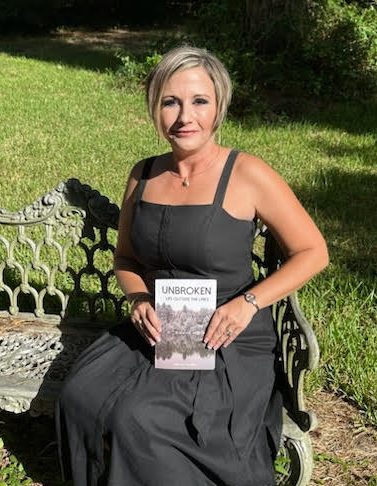
Writing Unbroken: Life Outside the Lines has been the most harrowing journey of my life—more painful, more vulnerable, and more exhausting than I could have ever imagined. And that is saying something, considering the life I’ve lived.

Brutally Honest Overview

This book is not a story. It is a reckoning. It is a coffin I’ve had to reopen again and again, not to bury what happened but to breathe through it—to make space for the wounds that never stopped bleeding and the girl inside me who never stopped screaming.

Writing this memoir meant returning to the scenes of the most unthinkable traumas: witnessing the sexual assault of my young friend, seeing a child drown, surviving foster care so abusive it bordered on sadistic, growing up in extreme poverty and mental illness, battling addiction and bulimia, and being raised in the aftermath of a home ruled by violence and untreated psychosis.

These weren’t chapters to be revised. They were ghosts I had to confront to stay alive.

Memory as a Battlefield

There’s a particular cruelty in trauma that lives in your nervous system rather than your memory. You forget what happened, but your body remembers. Your breath shortens. Your hands shake. You cry and don’t know why. Writing each chapter felt like plunging into freezing water with no guarantee I’d come back up.

I didn’t just survive trauma—I bore witness to it. I saw my young friend sexually assaulted. I didn’t have the power to stop it. I didn’t even understand what I was seeing until years later, when the guilt caught up to my understanding. That memory alone could have unraveled me. But it was only the beginning. I watched a little girl drown. I remember the chaos, the silence that followed, the disbelief.

It wasn’t a movie moment; it was slow, confusing, and then over. But it stayed in my body. And writing about it meant sitting with the realization that I would never unknow what it looked like to watch life slip away.

The Shame that Shadows the Page

Of all the emotions I expected to encounter while writing this memoir, shame was the most persistent and the most venomous. The drug use, the desperation, the people I gave myself to in hopes of feeling something other than emptiness—it all painted a version of me I had spent years trying to erase.

But that’s the lie trauma teaches you: if you admit what happened to you, you become what happened to you. And I believed that lie for far too long. Every page I wrote, I felt shame whispering: Who are you to share this? Who will love you when they know? Yet I kept writing. Not to silence the shame, but to exhaust it. To give it a voice until it had nothing left to say.

Grieving in Real Time

Some traumas are decades old. Others still burn like fresh wounds. Writing about the deaths of people I loved, as well as my own suicide attempts, meant confronting a different kind of violence: the one we do to ourselves when we believe we are unworthy of life. I didn’t write about suicide from the sidelines. I wrote it as someone who attempted it. More than once. I had to revisit the scenes: the overdoses, the razors, the gun, the stillness, the moments I hoped would be the last. I had to write about the part of me that didn’t want to be here. And then I had to write about why I stayed.

I also wrote about being homeless—when my mother, brother, and I lived at the Salvation Army shelter in downtown Houston. Each morning, the shelter would evict its occupants onto the blazing hot Houston streets. The pavement scorched the soles of my shoes. The sun was merciless. I carried my childhood in a plastic bag and my shame in my throat. Writing those scenes meant remembering the sting of invisibility, the constant fight to simply endure the day.

And always, in the background, there was my mother. She was schizophrenic. Unmedicated. And she was physically abusive. Her rage was untethered, and her mind was often lost in a world I couldn’t access. But her beatings were all too real. The last one came with a wooden dowel rod—the kind you hang clothes on in a closet. Thick. Heavy. Unforgiving. A makeshift bat in her hands. I remember her swinging it with precision. I remember the bruises that didn’t fade and the realization that I had to leave or I would not survive.

Telling the Truth When It Could Ruin You

Some truths are not just difficult—they’re dangerous. Writing about pedophilia, abusive foster homes and family secrets meant risking everything. I worried about legal fallout. I worried about people I once loved reading their own reflections in the mirror of my pain. I worried about being disbelieved—again.

But writing this memoir wasn’t about revenge. It was about reclamation. And I had to ask myself every day: Am I willing to be free even if it costs me everything? The answer, eventually, became yes.

The Loneliness of Writing What No One Wants to Hear

Writing a trauma memoir is a solitary act. It’s not a trending genre. There is no applause for this kind of vulnerability. People will say it’s “too much,” “too graphic,” “too hard to read.” And to that, I say: Imagine how hard it was to live.

I didn’t write Unbroken to entertain. I wrote it because the silence was killing me. I wrote it because too many people are still living what I survived. And someone needs to go first.

The Unexpected Grace

Despite all the pain, there have been moments of light. Writing has allowed me to meet the girl I was, the one no one protected, and offer her what she never had: truth. I’ve written prayers into paragraphs. I’ve stitched together sentences that somehow made my brokenness feel sacred.

When I wrote about choosing not to die—when I reached for life even in the depths of despair—it didn’t feel like writing. It felt like remembering. Remembering that I am not just what happened to me. I am what I survived. I am who I became.

A Memoir as a Mirror

Unbroken: Life Outside the Lines is not just a book. It’s a mirror. It reflects back the parts of me I tried to hide—the rage, the grief, the shame—and it allows me to say: I am still here. I am not clean. I am not healed. But I am whole, in the way a tree is whole after a lightning strike—scarred, yes, but alive.

This book cost me everything: my comfort, my certainty, my illusion of safety. But it gave me back my voice. And maybe, if even one person reads it and feels seen, it will have given something to them, too.

The Truth: It Was Never Just Writing

People ask what it’s like to write a trauma memoir. I wish I could say it was cathartic. Sometimes it was. But mostly, it was excruciating, like pulling out a knife still embedded in the wound, over and over, until I remembered that I was the one holding it now.

This book wasn’t therapy. It was survival. It wasn’t healing. It was truth. And I am not the same woman who began it.

Faith in Memoir

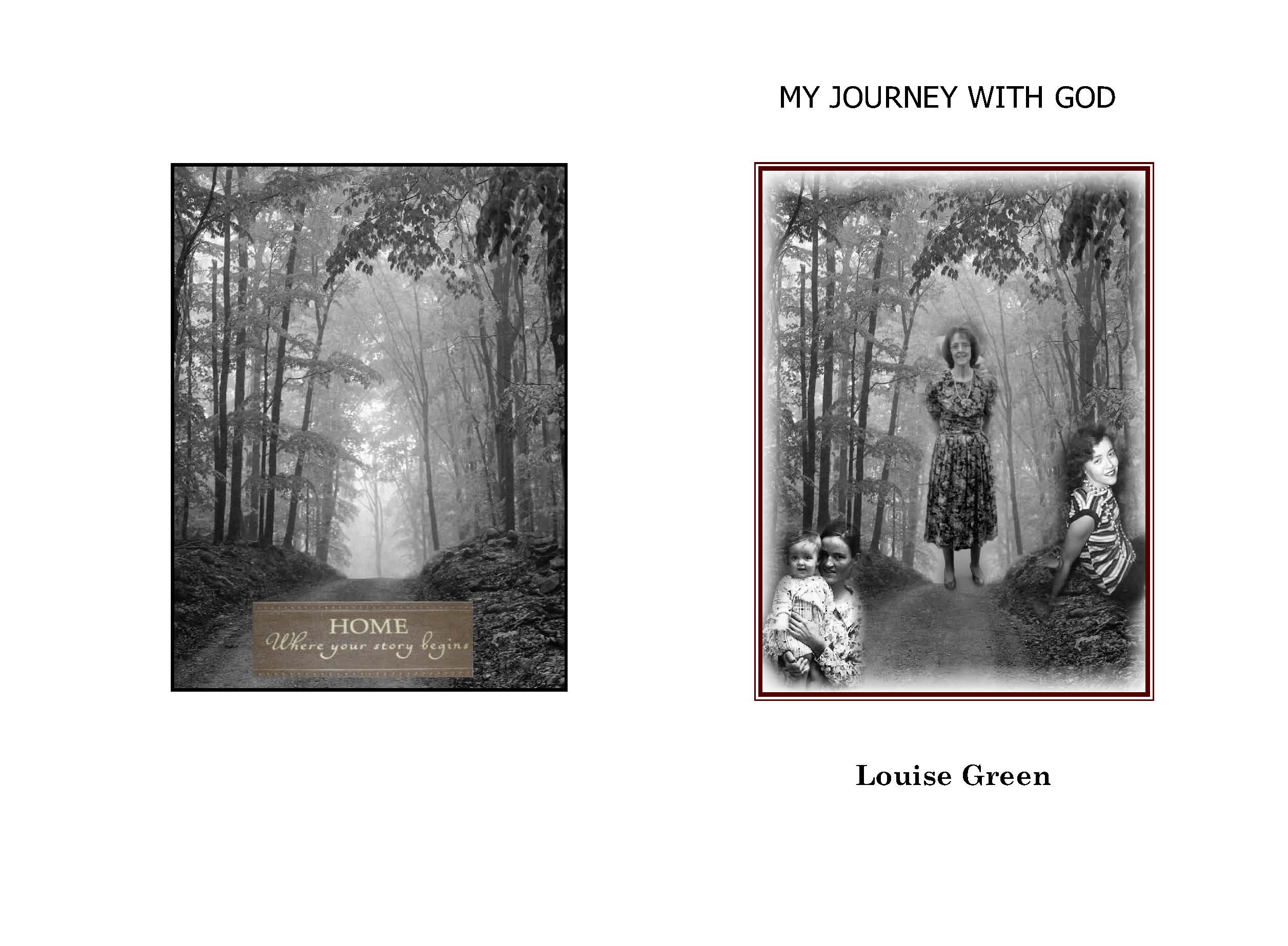
Front and back covers of "My Journey with God"

Religion and spirituality are big topics for self-reflection.

One of the first books I helped someone self-publish through Write My Memoirs falls into a category of a faith or spiritual memoir. Titled “My Journey With God,” it was more of an autobiography than a memoir, covering the author’s full, not terribly unusual, life. When I asked the author what motivated her to write the book, she said her way of publicly thanking God for a good life was to celebrate faith in memoir form. The book’s front and back cover appear above.

Gratitude in Memoir

This was a revelation for me. Of all the reasons to write a memoir, I had not considered that one. But I get it—it’s a type of gratitude journal. Some authors chronicle their faith journeys and perhaps lead readers along a similar path. There’s a whole Christian book publishing industry built around this concept, and those publishing companies can provide publishing opportunities for authors whose manuscripts may get rejected elsewhere.

In Faith Unraveled: How a Girl Who Knew All the Answers Learned to Ask Questions, author Rachel Held Evans writes about straying from her Christian fundamentalist roots before recommitting to God with an approach that she found more adaptable to her life. In the recently released Mostly What God Does: Reflections on Seeking and Finding His Love Everywhere, Samantha Guthrie of NBC’s “Today Show” uses personal essays of questioning and searching to open readers’ hearts and minds to a life exploring faith.

God as Redeemer

It makes sense that religion pops up often in memoirs, since it plays a role in many lives. Sometimes, it’s the memoir’s main topic or shares the limelight as the solution half of a problem/solution memoir. One of the earliest and best-known accounts, from 1948, is The Seven Storey Mountain: A Journey of Faith and Transformation, Exploring Vulnerability, Forgiveness, and the Quest for Spiritual Fulfillment in the Midst of a Turbulent World by Thomas Merton, who became a Trappist monk and guided readers toward spiritual reward. More recently, both Wired for God: Adventures of a Jewish Yogi by Dani Antman and Native: Identity, Belonging, and Rediscovering God by Kaitlin B. Curtice discuss the intersection between religious roots and the yearning for broader spirituality.

The author’s story of redemption is a popular theme in memoirs, and here, too, religion can enter the discussion when the author talks about overcoming illness, abuse or other adversity. Lacey Buchanan’s Through the Eyes of Hope: Love More, Worry Less, and See God in the Midst of Your Adversity, published in 2017, credits God for the strength to face her life’s challenges. Her son was born with a rare medical condition.

Religious Exposés

Religion in memoir is not always presented with gratitude. One trend in memoir is exposing abuse disguised as, or excused through, religious devotion. The best-selling memoir Educated presents author Tara Westover’s experiences with her family’s variety of Mormonism in quite an unflattering light. The truth behind the facade presented by television’s religious Duggar family is revealed in Counting the Cost by Jill Duggar, Derick Dillard and Craig Borlase.

The Inner Circle Book One: My Seventeen Years in the Cult of the American Sikhs, a 2021 memoir by Peter MacDonald Blachly, similarly traces the author’s experiences inside a cult-like religious group. In Devout: A Memoir of Doubt by Anna Gazmarian, published earlier this year, the author does not condemn her evangelical Christian upbringing, but she shows how she struggled to retain her spirituality while diagnosed with bipolar disorder and dealing with a medical community that did not easily fit within her religion’s parameters.

Part of Life

When not the memoir’s primary focus, religion still can bring a valuable dimension to the story. In her 2003 memoir, Leap of Faith: Memoirs of an Unexpected Life, Queen Noor of Jordan writes about her life as an American who married Jordan’s King Hussein. She addresses family life, her views of historical events, and her humanitarian efforts, and she drops a lot of famous names of people she’s met. But for readers to fully understand her life, she also discusses her Muslim faith and the way she blended her American upbringing with her life as a member of a prominent Middle Eastern monarchy.

Happy Holidays to You, Readers!

If you’re incorporating faith into your memoir, this time of year gives you a good opportunity to get in close touch with your feelings. And whether or not you have faith in your memoir or in your life, I wish you the happiest of holiday seasons.

Memoir Coaching as a Holiday Gift

Book with a bow on it

You probably have that one person in your family, or a friend, who has always wanted to write a memoir. The person talks about it and maybe even starts by typing out Chapter 1 on a blank page. But that may be as far as it goes.

If you’re wondering what to give that person for the holidays, consider the gift of memoir coaching. Write My Memoirs will do the hand-holding so you don’t have to! But we do it with structure and expertise. We know how to motivate people out of their “writer’s block” mindset.

A lot of this has to do with confidence that the work will result in an actual book. With a coach, the memoir hopeful is less likely to quit. Our coaches assign writing tasks and advise about deadlines. Being accountable to someone, especially to a professional, keeps the writing flowing. And then our editing and publishing services give the person peace of mind that a quality book will get printed without having to go looking anywhere else.

Please visit our services page to see the packages we offer. Book a package or service, and then fill out our Contact Us form to mention this blog post for a 20% discount on all services booked throughout the rest of 2022 for work to begin in January 2023.

Think about the person in your life who wants to write a memoir. What better gift can you give that loved one than fulfillment of a dream?

What’s With the New Look for Write My Memoirs?

writemymemoirs.com snips from home page

We are excited to bring you not just a fresh, easy-to-navigate look for the Write My Memoirs website but also a number of new options to help you write and publish your memoir. Now that our website redesign has gone live, we invite you to explore!

One of the first things you’ll notice is that we’ve packaged up some services to give you a break on the price tag if you were to purchase the services separately. New memoir authors typically need both coaching and editing, so we created a package for those two services. Since many want to go ahead and publish their book as well, we added publishing to create a three-part package.

Memoir “Soup to Nuts”

You can come to Write My Memoirs without one word written and leave with a published book. That may sound like a pipe dream, but we guide you through every step, “soup to nuts,” as you build your dream and make it come true. If you don’t know where to start your story, we’ll talk it through with you. If you can’t get into a writing habit, we’ll assign exercises to get you comfortable getting down the frames, facts and feelings that define your life story.

On our home page and in a “learn more” popup, we tell you how we approach memoir writing for the average person and what frustrates us about other sites offering similar services. We consider writing a memoir to be a serious goal that takes some work but brings you, your family, your friends and your descendants a world of “wow.” People who love you get to know you in the way you want them to know you.

Schedule a Call!

A serious goal is not necessarily a complicated goal. That’s where we depart from other sites. You’ll put your heart and soul into your memoir, but the process of writing, getting it edited and publishing your book is pretty straightforward. Whether you enjoy that process or not, at the end you will have a product that you can treasure and distribute the rest of your life.

We’re not slick and shiny. We’re sincere, down to earth and helpful. Schedule a call with us today! We would love to work with you.

Sometimes We Make Mistakes…..

Wrong Way sign

We apologize for our most recent email. Please disregard it. As we mentioned in our last post, we are working on a redesign of the Write My Memoirs website and adding new packages to help you write your memoir, and we got a few wires crossed.

Please take a look at this post from last fall that gives you a lot of tips for how to choose a cover for your memoir.

Wrap Your Memoir in its Perfect Cover

More Services Coming to Write My Memoirs Authors

blank, open book and pencil

We have some exciting announcements! You have always been able to write your memoir in your free account here on Write My Memoirs. That courtesy will remain! Keep your writing in your account, and access it from anywhere, anytime.

For many years we’ve also offered writing services to Write My Memoirs authors as well as to the general public. We’ll edit your work or ghostwrite your book for you, and you retain all rights, of course. When your manuscript is ready, we provide self-publishing services that include layout and simple cover design.

All of that will continue. So what’s new?

We want to make your dream of writing a memoir come true. Sometimes getting started is the hardest part, and that’s where we’ll soon be adding services. How should you begin Chapter One? Which stories should you include? Should you follow a chronological structure or jump around throughout your life?

These questions can trip you up, but we’re very familiar with the struggles memoir authors face and how to get over the hurdles. Some questions have easy answers, while others will take a conversation to help you make decisions. There is no best way to write a memoir, but there may be a best way for you to write yours. We’ll help you identify it.

We’ll supply motivation, too, not only by giving you specific assignments and checking in with you, but also by doing some editing and organizing as you proceed. Seeing your book come to life little by little motivates you to continue even when other demands are competing for your time.

Through our new packages, you’ll be able to select the “soup to nuts” option, just the “front end” of coaching or, as now, only the editing or the self-publishing. If you’re just sitting down now to write your memoir, we can have you holding your book in your hand one year from now.

If you want to get a head start, fill out our Contact Us form and let us know your vision for your book. We can’t wait to work with you, and we think that’s very exciting!

5 Ways to Motivate Yourself This Year to Write Your Memoir

New year, new writing project, right? Or the same old writing project—probably your memoir—that maybe this year you will finally start, continue, or finish. Let this be that year. Choose your motivation among these five!

1. Get inspired by other memoir authors who are just like you

You are no different from the tons of people who decide to document their lives. Some are professional writers, but many are not. Some are celebrities with built-in followers, but most are not. Some want to sell their books, while others want to tell their story just for their family to have. Some are skilled at language, but many need editors to smooth out the rough edges.

The important thing is that you are just as worthy of having a memoir as they are.

There’s only one difference between you and those authors: they sat down and wrote. All you have to do is that. Make the time today. Make the time tomorrow. A half-hour or whatever you can spare. Soon you’ll have a chapter, and maybe by the end of the year you’ll have a full manuscript to submit to an editor, run by an agent, or self-publish as is.

2. Get inspired by people who are more challenged than you.

I compete in track meets so I have to train regularly to continue to do that, but I don’t really enjoy running. Sometimes I just want to give up—the way you probably want to just give up on your writing project. How do I turn myself around?

The best way for me is to see someone around my age who can’t walk or has cognitive impairment or faces depression or some other challenge. I’m in my late 60s and can still run. That makes me grateful enough to take advantage of it. At any time I might sustain an injury or be diagnosed with an illness. As long as I can function, I should make the most of that.

You can do the same. Maybe you’re not the greatest writer in the world, but there are people who can’t sit at a keyboard. We had one client who’d had a brain injury and couldn’t get his memories and thoughts straight, and it was so frustrating for him. If you CAN write, DO write. It’s a gratitude thing.

3. Get inspired by your own story in your own voice.

If you don’t write your story, who will? It’s such a powerful life statement to say, “Yes, my life is worth documenting.” Whether it’s ordinary or unusual, it’s your unique life. Friends and family will remember you, but their memories will be shaped by their own perceptions. Only you can provide the “inside story” of how your life was lived.

It’s special. Do it!

4. Get inspired by the people you’re leaving behind.

Do you wish you’d asked your parents or grandparents more questions about their lives? Maybe you’d like to know how it was to live before all of our 21st century technology, or what their city was like when they were growing up. Perhaps you are not sure how the family relationships played out or maybe even how you’re related to some of your family.

Your children and grandchildren, or maybe nieces and nephews or friends’ children, will have the same questions. You can give them all the details, the backstories, your impressions of your time and place. They will be so happy to have all of that. Draw motivation simply from the love you feel for the people around you.

5. Get inspired by the feeling of achievement.

Maybe your memoir will become a best-selling book or your life story will be turned into an iconic movie. It can happen!

Even if the only people who read your book are you and your family, the achievement of writing a book, being an author, having a hard copy to hand out to people—it’s priceless. Find out what it feels like to BE AN AUTHOR!

Bonus motivation

One more thing: we’ll help you. Follow us on Instagram, Facebook and Twitter, and ask questions in our Facebook Write My Memoirs Group. We would love to get to know you, receive your feedback, and have you join the Write My Memoirs community of authors just like you.

Your Memoir Resolution for the New Year

Be an author on Write My Memoirs

Every year around this time, Write My Memoirs lights up with a rush of new members. I always love seeing that.

Of course, it’s not difficult to figure out what’s going on. In the first few days of the new year, people are signing up because their New Year’s resolution is to finally, finally write that memoir they’ve been promising themselves. It’s a great resolution! If you’ve made it, we are here to help you fulfill the goal.

How will you make sure you won’t let yourself off the hook and abandon this resolution? Polls show that many resolutions have gone by the wayside by as soon as February and more by halfway through the year. Your resolution to write a memoir does not have to be one of those statistics.

It’s that “one bite at a time” approach that will probably work best for you. Write up one story. Your chapter doesn’t need to have a name; in fact, you don’t even need to assign the story to a chapter yet. Write up the easiest story in your life. Then you will have that written!

The next step will feel easier – just another story from your life, or you can go chronologically and write up whatever happened after the story you just wrote. You can wait until the next day or the day after, but don’t wait a full week. Make writing your memoir part of your routine at least 3 days a week.

You can keep yourself accountable by sharing your goals or your writing on our Write My Memoirs Facebook page. We would love to hear how your memoir is coming along.

New Look, New Grammar Course!

Info on Write My Memoirs Grammar and Writing Course

You may have noticed that our home page has been updated not only in graphic design but also in featuring our brand new Write My Memoirs Grammar and Writing Course. This digital, eight-lesson course offers a free Intro Lesson you can take to get a foundation in parts of speech and parts of a sentence. It starts out with a tongue-in-cheek “What Not To Do” letter from me to you that demonstrates a lot of very bad grammar.

If that’s your kind of fun, you will enjoy the whole course! We examine some grammar errors in classic rock lyrics, too. Most of the examples throughout the course model memoir elements, since they describe my own life. As I crafted these examples, I had fun remembering events from my childhood, which I’m lucky to say was a happy one.

I based the principles and practice exercises presented in the course on an in-person, classroom course I taught for 20 years to adults in a continuing education program. Whether you’re writing a memoir or you need to write for work or school, I feel sure you’ll get your money’s worth with this $39 course!

Login

Then just set up a chapter and start writing your memoir. Don’t worry about rules. There are no rules to writing your memoir; there are only trends. These trends are based on techniques and features identified in current top-selling memoirs. At best, they’re the flavor of the month. If you’re capturing your life in print for your family, for your own gratification or to inspire readers, rather than aiming to set off Hollywood screenplay bidding wars, these trends don’t even apply to you. You’ll write the memoir that suits you best, and it will be timeless, not trend-driven.There are no rules, but there are four steps:

1. Theme/framework
2. Writing
3. Editing/polishing
4. Self-publishing

You’ve researched this, too, and you’ve been shocked at the price for getting help with any one of those steps, much less all four. That’s because most memoir sites promise to commercialize your work. They’ll follow a formula based on current memoir trends, because they want to convince you that they can turn your memoir into a best-seller. These sites overwhelm you with unnecessary information not to help you, the memoir author, but to address Search Engine Optimization (SEO) algorithms so they can sell more.

That’s not what we do at Write My Memoirs. Our small community of coaches, writers and editors are every bit as skilled as any you’ll find, and we charge appropriately for their expertise and the time they’ll spend helping you craft a compelling, enjoyable read. But you won’t pay an upcharge for other websites’ commercialization, the marketing that follows, and the pages of intimidating “advice.” You can sell your book if you like—we have ISBNs available for you—but our organic process of capturing your story takes a noncommercial path.

If you want help with any or all of the four steps above, choose from our services or save money by selecting one of our packages. If you’d like to talk about what’s right for you, schedule a call. One year from now, you can be holding your published memoir in your hand. And at that point, it will be a big deal!